Why Experienced Teachers Still Use Curriculum Maps—And How to Make Yours Better This Year
Master your curriculum planning with a clear scope and sequence, and discover how curriculum mapping can simplify your year while improving student outcomes.
In this quick video, I’ll walk you through how I use my editable curriculum map template to build a scope and sequence that works, without the overwhelm.
Every teacher knows that great instruction starts with great planning. But if you’re like me—especially after years in the classroom—it’s tempting to “wing it” or rely on mental notes about what to teach next. Here’s the truth: no matter how much experience you have, curriculum mapping and a solid scope and sequence are still your best friends for keeping your teaching organized, aligned, and stress-free.
In this post, I’m sharing why curriculum maps aren’t just for newbies or administrators. I’ll walk you through why veteran teachers still rely on them, how to refine your curriculum map, and how using an editable, ready-to-go template can save you hours of prep time each year.
What Is Curriculum Mapping — And Why Does It Matter?
Simply put, curriculum mapping is the process of creating a visual or written “map” of your entire curriculum. It’s how you chart what you’re teaching and when throughout the school year. This process helps you identify gaps and redundancies, ensuring that every standard is covered.
For example, if you’re teaching 4th-grade math, curriculum mapping helps ensure that the fractions unit occurs after students have mastered multiplication and before introducing decimals. It’s all about logical sequencing and alignment.
If you want to delve deeper into the basics of curriculum mapping, check out my Curriculum Mapping in 5 Easy Steps for a straightforward explanation.
Understanding Scope and Sequence: The Blueprint of Your Year
A scope and sequence is closely tied to curriculum mapping but focuses specifically on what topics you cover (scope) and when you cover them (sequence). Think of scope as your ingredients list and sequence as your recipe.
For example, your reading scope might include phonics, vocabulary, fluency, and comprehension. The sequence refers to the order in which you complete those lessons across the months, allowing skills to build naturally. A clear scope and sequence keep learning organized and prevent important topics from slipping through the cracks.
Why Experienced Teachers Still Rely on Curriculum Maps
You might think experienced teachers can just “wing it” because they’ve done this before. But honestly? Even with over 15 years of teaching experience under my belt, I still use a curriculum map every year. Here’s why:
It saves my sanity. Having a year-at-a-glance plan means I’m never scrambling last minute.
It ensures standards coverage. I don’t have to guess if I hit every standard — my map tells me.
It helps me plan ahead. I know what’s coming up next week, next month, and even next quarter.
It keeps lessons coherent. Each unit builds on the last, so students aren’t lost or overwhelmed.
It makes collaboration easier. If a teammate is out, anyone can pick up where we left off because the plan is clear.
If you’ve already been curriculum mapping for years, you might feel stuck in a rut or overwhelmed with complexity. Here are a few easy tweaks to improve your map for the upcoming school year:
1. Start with Core Standards and Anchor Texts First
Focus your map on the must-have standards, big texts, or projects. This keeps your plan focused and aligned to priority skills.
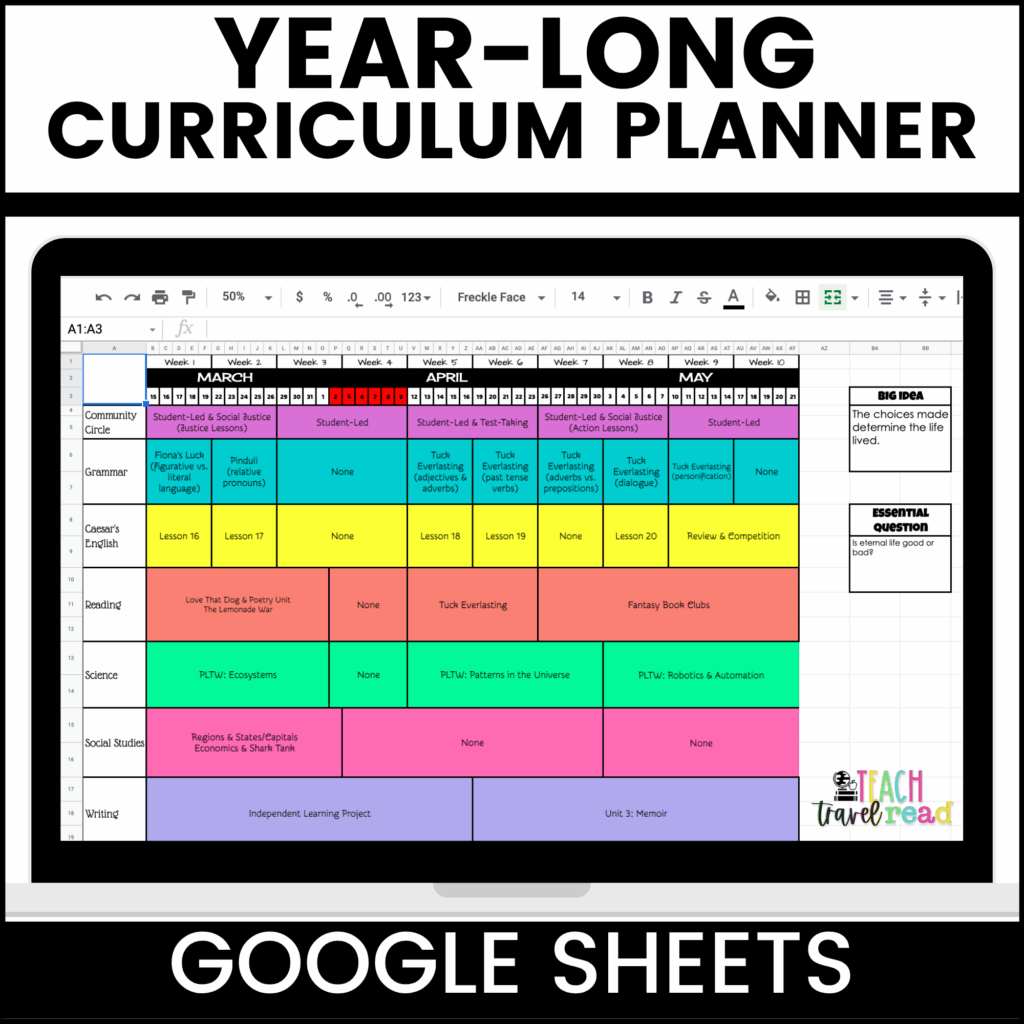
2. Use Color Coding by Subject or Quarter
Visual cues help your brain quickly scan your map and understand pacing. For example, use blue for math units, green for reading, and yellow for science. You can even color code by trimester or quarter.
3. Incorporate Seasonal Themes and Projects Up Front
If you want to integrate holidays, science projects, or special events, add those into your scope and sequence early. That way, you don’t have to “fit them in” later or sacrifice instructional time.
4. Keep It Simple and Editable
Don’t overcomplicate your map with too many details. Your map is a living document, so use editable templates or digital tools that allow easy updates and sharing.
Why Using a Curriculum Map Template Saves Time and Stress
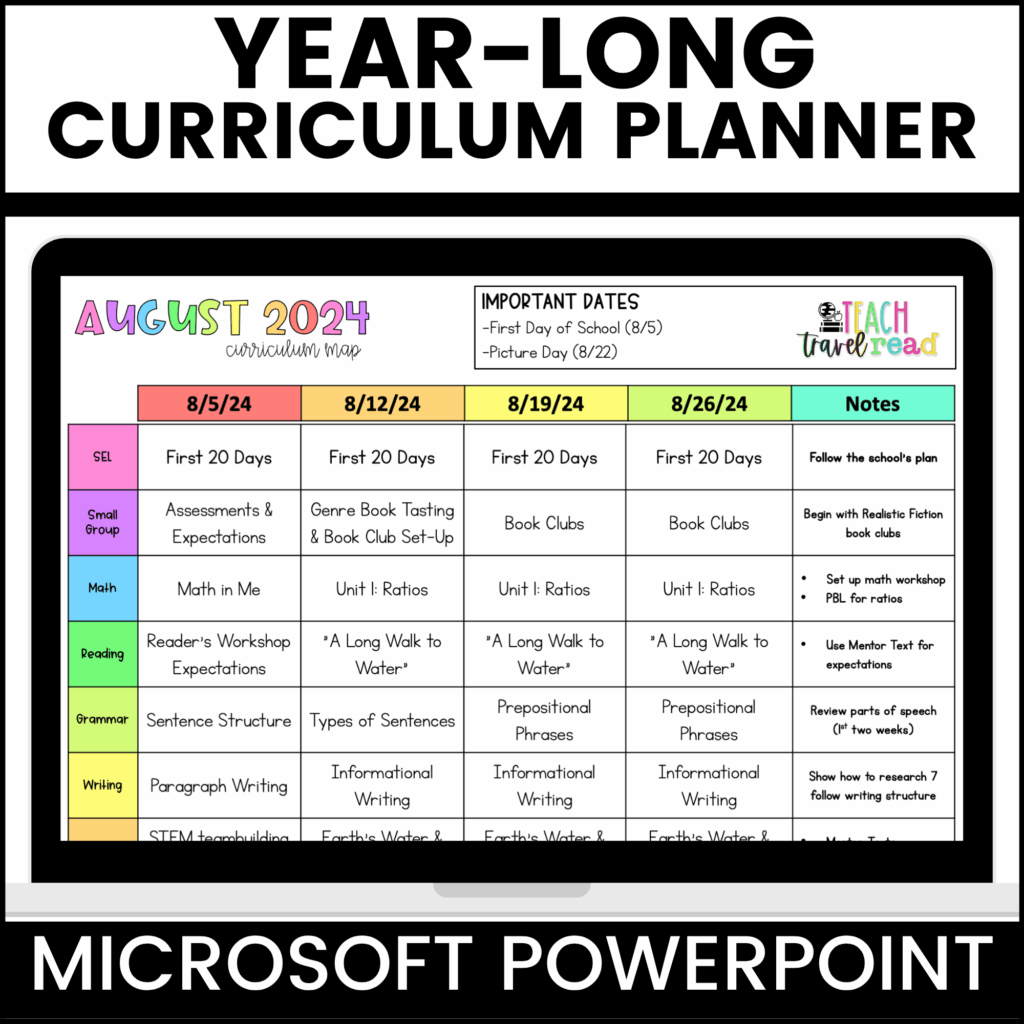
One of the biggest game-changers for me was switching from hand-crafted curriculum maps to an editable Curriculum Map Template that I could tweak and reuse year after year.
Here’s why a good template makes all the difference:
Ready-made structure: You don’t have to start from scratch each year.
Editable and flexible: Customize for your grade level, subjects, and pacing.
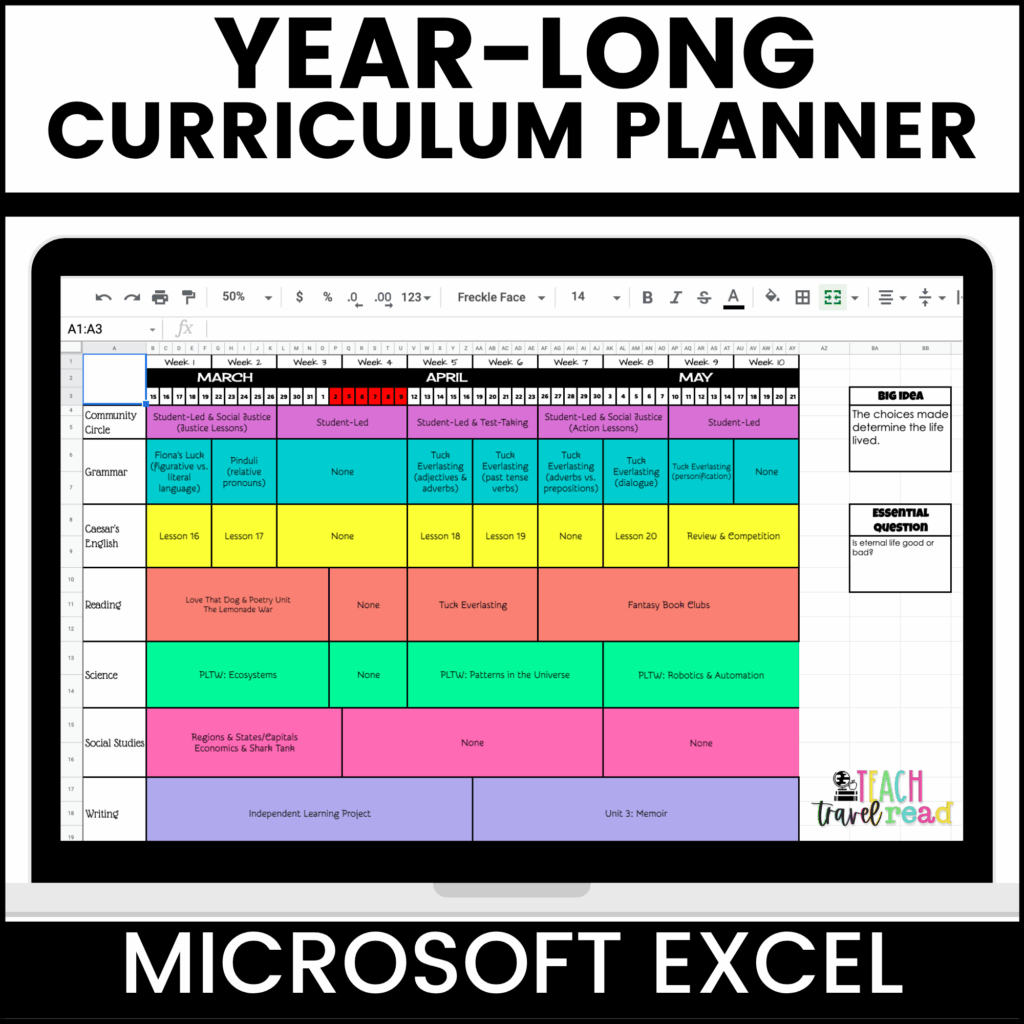
Multiple formats: Use Google Sheets, PowerPoint, or Excel depending on your preference.
Printable or digital: Plan on paper or update your map online anywhere.
Collaboration friendly: Easily share with teammates and administrators.
Final Thoughts: Make This Your Most Organized Year Yet
No matter how many years you’ve taught, a strong curriculum map paired with a clear scope and sequence will help you feel confident and prepared throughout the year. With the right tools, planning becomes less of a chore and more of a roadmap to success for you and your students.
If you’re ready to simplify your planning and gain clarity on your teaching journey, check out my Curriculum Map Template Bundle. It’s designed to save you time, reduce stress, and provide a comprehensive view of your entire school year — all with editable files that make updates effortless.
The Support You Deserve—All Year Long.
Planning your curriculum is just the beginning—but teaching is a year-round adventure. That’s why I created the Teacher Success Club—a coaching membership designed to walk with upper elementary teachers through every season of the school year.
Whether you’re in your first year or your fifteenth, this membership helps you build a strong classroom foundation and feel more confident, supported, and prepared, month after month.
Inside the Teacher Success Club, you’ll get:
Monthly training and resources focused on timely classroom goals (like setting routines, boosting engagement, or managing mid-year burnout)
Editable tools and templates you can actually use right away in your classroom
Seasonal planning challenges to help you stay on top of what’s coming next
Live coaching + support so you’re never tackling things alone
A supportive community of upper elementary teachers who get it